

The Complete Music Marketing Strategy Guide for Artists
By Discovery Music Group
(13 minute read)
Every day, 106,000 new tracks land on streaming platforms. That number is up 7% from the year before (Music Business Worldwide, 2025). For an independent artist trying to build an audience, that's not background noise. It's the competition you're releasing into every single time you put out music.
The artists who break through aren't always the most talented in the room. They're the ones who show up consistently, market themselves with intention, and understand where their audience actually spends time. A clear strategy isn't a nice-to-have. It's the difference between an artist who grows and one who stagnates.
This guide covers every stage of a complete music marketing strategy for independent artists: brand identity, social media, streaming platforms, press coverage, email lists, superfan development, and budget allocation. Whether you're releasing your first single or your fifth project, the framework below is built around what drives real, measurable results.
Key Takeaways
- 106,000 new tracks are uploaded to streaming platforms every single day, making a documented strategy your most important competitive advantage (Music Business Worldwide, 2025).
- Independent artists received roughly $5.5 billion from Spotify in 2025 alone, proving the independent route can be genuinely profitable (Spotify Loud & Clear, 2025).
- 84% of songs that entered the Billboard Global 200 in 2024 went viral on TikTok first. Short-form video is now the primary discovery engine for new music (TikTok x Luminate, 2025).
- Superfans represent just 2% of your listeners but generate 18% of your streams. Building that core group is one of the highest-leverage moves in music marketing (FanCircles, 2025).
Why Do Most Independent Artists Struggle With Music Marketing?

77.8% of independent artists earned less than $15,000 from their music in 2025, with 64.4% citing financial constraints as their most pressing challenge (Xposure Music Industry Report, 2025). The financial ceiling isn't purely a talent problem. For the majority of independent artists, it's a marketing problem.
The most common pattern goes like this. An artist releases a track, posts about it a handful of times across their social channels, then watches the streams plateau. The cycle repeats with the next release, and the one after that. What's missing isn't effort. It's a system.
Releasing music and marketing music are two completely different disciplines, and the music industry teaches you neither. The artists who build sustainable careers treat promotion as a pre-planned system: they build their audience before a release drops, maintain momentum in the weeks after it lands, and use each project to pull new listeners deeper into their world.
That system is what the rest of this guide will walk you through. But it starts with a question most artists skip entirely: what does your brand actually say about you?
Industry insight: According to the Xposure Music Industry Report 2025, fewer than one in four independent artists has a documented marketing plan ahead of a release. Of those who do, the majority report significantly stronger streaming growth and fan engagement year over year.
How Do You Build an Artist Brand Before You Promote Anything?
Branding is the foundation every other channel builds on. Without a clear identity, consistent visuals, and a defined creative direction, every marketing effort you run will convert at a fraction of its potential. Your brand isn't your logo. It's the full emotional impression someone forms the moment they land on your profile, hear your track, or see your cover art. The music artist branding guide from Discovery Music Group unpacks this in detail, including the 2026 data that shows exactly how branding drives streaming numbers.
A strong artist brand rests on three foundations:
- Visual identity: A consistent colour palette, typography, and photographic style that appear everywhere, from your social profiles to your press photos. Inconsistency signals an act that hasn't fully committed to itself.
- Cover art: Streaming platforms are visual environments. Your artwork competes with thousands of other thumbnails in playlist feeds and algorithmic recommendations. Strong cover art directly increases click-through rates and keeps listeners on your track longer. Poor cover art loses them before the first note plays.
- Your own website: It's the only platform you own outright. Algorithms shift, platforms restrict reach, and accounts get suspended. Every musician needs a website that captures email subscribers, links to music, and communicates your identity without relying on a third-party algorithm deciding who sees it.
Get these three things in place before you spend anything on promotion. Without them, paid campaigns send people to a profile that doesn't convert, and organic content has no clear identity to build on.
Which Social Media Platforms Should Independent Artists Prioritise?

68% of social media users discover new music through short-form video content, making it the single most powerful organic discovery channel available to independent artists today (MusicWatch, 2025). This isn't a trend to keep an eye on. It's where music discovery has already moved, and it's where your attention needs to go.
TikTok
TikTok is the highest-leverage platform for music discovery right now, and the numbers back that up clearly. 84% of songs that entered the Billboard Global 200 in 2024 went viral on TikTok first. TikTok users are 74% more likely to share new music than the average short-form video user, and they spend 46% more per month on music than the average listener in the U.S. (TikTok x Luminate, 2025). If you're releasing music and not building a presence on TikTok, you're skipping the platform that currently does more for breaking independent artists than any other. The complete TikTok strategy guide for musicians covers exactly how to build a sustainable content system there.
Instagram Reels saw a 35% year-over-year increase in music-related content engagement (MusicWatch, 2025). Reels work well for discovery among new audiences, while Stories are better for building intimacy with fans who already know you. Use both, with different intent behind each. Artists who only post polished, produced content miss the personal connection that casual Stories and behind-the-scenes clips create.
YouTube
YouTube sits in a category of its own. It's still the second-largest search engine in the world, which means music videos, lyric videos, and documentary-style content can drive discovery through search for years after they're posted. It isn't usually where listeners find you first. But it's very often where they go when they want to go deeper.
The biggest mistake independent artists make is trying to be everywhere at once. Pick two platforms and do them properly. For most artists in 2026, that means TikTok plus either Instagram or YouTube. Consistency on two platforms beats showing up sporadically across six.
How Do Streaming Platforms Fit Into Your Music Marketing Strategy?

Spotify paid out more than $11 billion to the music industry in 2025, the largest annual payment from any single music retailer in history, with independent artists and labels receiving roughly half of that total (Spotify Newsroom, 2026). Streaming isn't just a distribution channel. It's a live, active income stream that rewards artists who understand how its algorithm works.
Two types of Spotify playlist placement matter most: editorial playlists, curated by Spotify's internal team, and algorithmic playlists like Discover Weekly and Release Radar. Both are worth pursuing, but they operate very differently.
Editorial Playlist Pitching
You can pitch tracks directly to Spotify's editorial team through Spotify for Artists, but only before your release date. Submit at least seven days ahead and write a pitch that explains the story, mood, and genre context of the track clearly. Landing even one editorial placement can drive tens of thousands of streams in a matter of days. Discovery Music Group's Spotify playlist pitching service handles curator outreach professionally, giving your release the best possible shot at placement.
Algorithmic Playlists
Spotify's algorithm promotes tracks with strong engagement signals: saves, repeat listens, shares, and low skip rates. The most reliable way to influence those signals is to direct warm, engaged traffic to Spotify from your social content, rather than cold traffic from ads. A listener who discovered you on TikTok and already cares about the song is far more likely to save it on Spotify than someone who encountered a pre-roll ad they didn't choose to watch.
For a broader overview of the promotion channels that generate real results, the music promotion strategies guide for independent artists covers both free and paid approaches in full detail.
What Role Does Press and Blog Coverage Play in Music Marketing?

Music blogs account for 11% of new music discovery, but that figure significantly undersells their strategic value. Press coverage isn't primarily about direct traffic. It creates the credibility infrastructure, backlinks, and third-party signals that streaming algorithms and search engines use to decide how widely to surface your music.
A music blog feature does four things that a social media post simply can't:
- It creates a permanent, indexed reference to your music that search engines can rank for months or years
- It builds backlinks to your artist website and streaming profiles, strengthening your domain authority over time
- It gives you press credentials and quotes that convert cold audiences into followers when they land on your profile
- It signals to Spotify editorial curators and playlist managers that your release has attracted attention from credible external sources
Getting featured on blogs takes more than a cold email with a SoundCloud link. It requires targeted outreach, professionally written press materials, and a clear understanding of what each publication covers and who their readers are. The guide to getting your music featured on music blogs walks through the full process. For artists who want professional outreach at scale, Discovery Music Group's blog promotion service handles the pitching and placement process directly, targeting outlets that match your sound and genre.
Industry insight: Based on outreach data across hundreds of independent artist campaigns, unsolicited music blog submissions typically have acceptance rates of 8-12%. That figure rises meaningfully when pitches are tailored to each outlet's editorial focus, sent with complete press kits, and followed up at the right stage of the release cycle.
How Can Email Marketing Build a More Loyal Music Fanbase?
Email is the only direct line to your fans that you fully own. No algorithm decides who sees your message. No platform can reduce your reach overnight. The average email open rate for music and musicians sits at 45.93%, compared to a cross-industry average of 43.46% (MailerLite, 2025). Music fans are among the most engaged email subscribers of any industry. They want to hear from artists they care about.
An email list is also what separates artists who survive platform disruption from those who don't. When an algorithm update cuts your Instagram reach or a platform experiences issues, the artists with email lists can still reach every one of their subscribers directly. The ones without that list can't.
What should you actually send? Start with three types of email:
- Release announcements: First access to new music, pre-save links, and exclusive previews before the public release date. Make subscribers feel like insiders.
- Behind-the-scenes updates: The creative process, writing sessions, tour preparation, and the decisions that shape your music. These are the emails fans genuinely look forward to.
- Exclusive offers: Merch drops, early ticket access, and limited bundles. Email subscribers should always get something the general public doesn't.
The email marketing guide for musicians covers platform selection, send frequency, list growth tactics, and the specific email sequences that convert casual subscribers into paying supporters.
How Do You Turn Listeners Into Superfans?
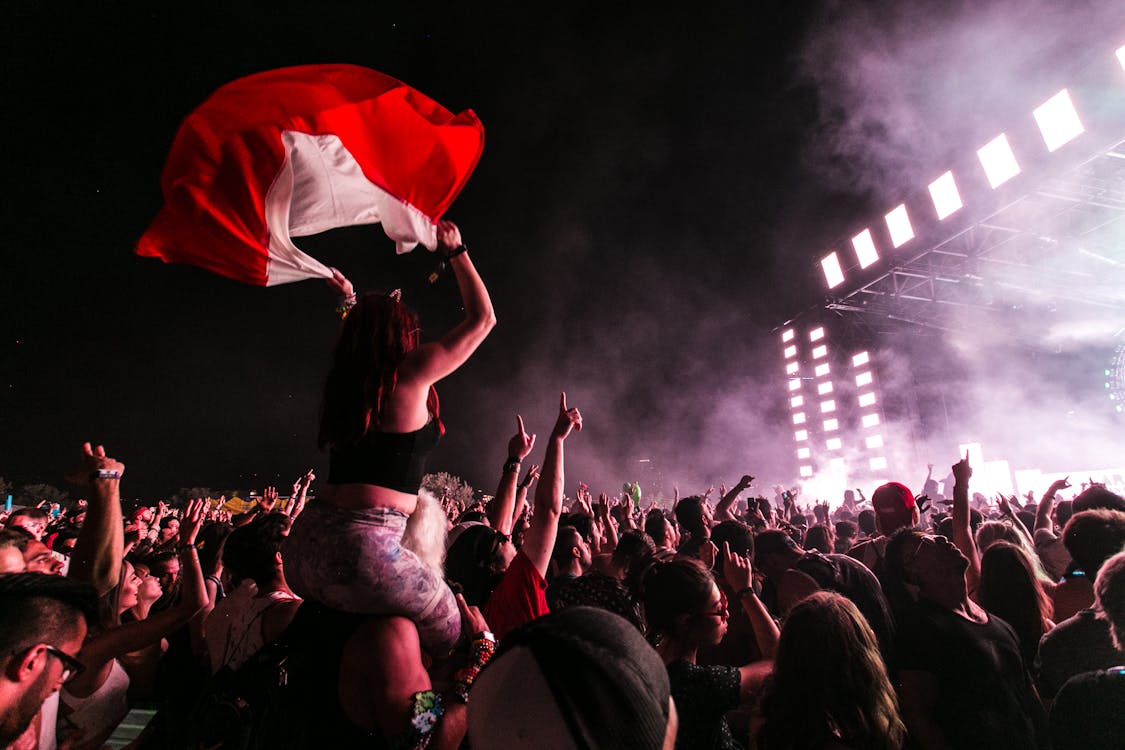
Superfans represent just 2% of an artist's listeners but generate 18% of streams. Under fan-powered royalty models, that same 2% produces 42% of total revenue (FanCircles, 2025). Goldman Sachs estimates a $4.3-4.5 billion global superfan monetisation opportunity, driven by fans willing to spend more than double the average on music (Music Business Worldwide, 2025). The conclusion is clear: identifying and deepening your relationship with your top fans is one of the highest-return activities in your entire marketing strategy.
Superfans don't appear suddenly. They develop through repeated, meaningful interactions over time. So what actually creates them?
Direct Access and Exclusivity
Superfans respond to proximity. Exclusive content, early access, direct messages, Patreon memberships, Discord communities, and fan club tiers all create the sense of closeness that turns regular listeners into devoted supporters. The more a fan feels like they have a special relationship with you, the more invested they become.
Consistent Engagement Between Releases
Artists who go quiet between projects lose the thread. Posting consistently, even in non-release periods, maintains the emotional investment fans have built up. The content doesn't need to be polished or produced. Authenticity consistently outperforms production value at the superfan level. A sixty-second voice note from your car can outperform a three-minute produced video.
Live Performance
Nothing converts a casual listener into a superfan faster than a live show. The physical experience of seeing an artist perform creates a memory and an emotional bond that streaming simply can't replicate. For independent artists with a regional following, even a small venue show can crystallise a dedicated core audience that streams, buys merch, and shows up to every subsequent release.
For a deep look at the specific tactics that convert casual listeners into superfans and superfans into sustainable revenue, the complete guide to turning fans into superfans covers the strategies that actually move that needle.
How Should You Allocate Your Music Marketing Budget?
Industry insight: The most common mistake in music marketing budgets isn't spending too little. It's spending before organic content has validated the release concept. Artists who test content organically first consistently get better results from every paid campaign they run.
Independent music marketing doesn't require a major-label budget. It does require clarity on where your money will actually move the needle. The biggest drain on marketing budgets is spending on paid advertising before there's any organic evidence that the content resonates. Running a paid ad to a track that earns 1.2% engagement on organic posts won't fix the problem. It accelerates the spend without improving the outcome.
Here's a practical framework for allocation at three common spending levels:
Under $500
At this level, quality beats breadth. Put most of your budget into professional press materials: quality photography, a one-page press kit, and strong artwork for your lead single. Then pick one targeted promotion channel and commit to it. That might be a playlist pitching campaign, a micro-influencer collaboration via Discovery Music Group's influencer marketing service, or a targeted social ad to a warm audience. Spreading a small budget across multiple channels at once produces nothing you can measure.
$500 to $2,000
At this range, you can combine channels effectively. A typical allocation might put 40% into influencer marketing with TikTok and Instagram creators who align with your sound, 30% into professional blog promotion and PR outreach, 20% into playlist pitching, and 10% into retargeting ads aimed at people who have already engaged with your content. Sequencing matters here: get press and playlist pitching locked in before release day, not after.
$2,000 to $5,000
At this level, you can run a full release campaign: professional PR, playlist pitching, influencer placements, and a modest paid social strategy running in parallel. The key is still sequencing. Lock editorial and blog placements before launch, run influencer content at the release moment, then use paid ads to amplify the content that's already performing organically. Paid amplification of proven content consistently outperforms paid amplification of untested content.
The music marketing budget guide breaks down exact allocation percentages across the full $0-$5,000 range with specific platform-by-platform recommendations. The marketing tips for musicians and DJs covers the fundamentals that don't cost anything but consistently produce results.
Ready to turn your next release into a full campaign? Explore Discovery Music Group's promotion services and find the right strategy for your budget and goals.
♩ More ways Discovery Music Group can help you grow
- Influencer Marketing: Promote your music via vetted TikTok, Instagram & YouTube creators
- Blog Promotion: Get your music featured on music blogs and editorial sites
- Music Release Strategy: Plan your release for maximum streaming impact
- Website Development: Professional artist websites built to convert visitors into fans
- Social Media Branding: Consistent visuals and branding across all your profiles
Frequently Asked Questions
How long does it take to build a music marketing strategy that actually works?
Most independent artists start seeing measurable results from a consistent marketing strategy within three to six months. 77.8% of independent artists who struggle financially have no documented plan at all (Xposure, 2025). The strategy itself takes a day to build. The compounding results from executing it consistently is what takes time. Starting earlier always pays off.
Do independent artists really need their own website in 2026?
Yes. Your website is the only platform where you own the audience completely. Social media algorithms change, reach fluctuates, and platforms can restrict access with no warning. A website that captures email subscribers gives you a direct line to fans that no algorithm can touch. It also converts press visitors and playlist listeners into long-term fans far more effectively than a social profile alone.
How important is TikTok for independent artists right now?
It's the most important single platform for organic music discovery in 2026. 84% of songs that entered the Billboard Global 200 in 2024 went viral on TikTok first, and TikTok users spend 46% more per month on music than the average listener (TikTok x Luminate, 2025). No other platform currently drives streams and fan growth for independent artists at the same rate.
Should I handle my own blog and PR outreach, or use a professional service?
DIY outreach is possible, but cold, unsolicited pitches from independent artists typically achieve acceptance rates of around 8-12%, even with strong materials (based on industry campaign data). Professional services bring existing editorial relationships, knowledge of submission windows, and the credibility that gets emails opened. Discovery Music Group's blog promotion service secures placements on outlets that would otherwise be difficult to access independently, and does it without the time cost of managing outreach yourself.
What's the difference between blog promotion and influencer marketing for musicians?
Blog promotion builds long-term credibility, SEO authority, and permanent indexed references to your music. Influencer marketing drives immediate discovery, social proof, and short-term streaming spikes. Both serve different parts of your funnel. Blog coverage converts press readers and search traffic. Influencer placements reach active social audiences in the moment of release. A complete release strategy uses both, which is why Discovery Music Group offers influencer marketing and blog promotion as separate, complementary services.
Conclusion
Building a sustainable music career as an independent artist in 2026 comes down to one thing: treating marketing as a system, not a series of one-off posts. The competition is real. 106,000 new tracks land on streaming platforms every day. The artists who rise above that noise aren't the luckiest ones. They're the most strategic ones.
Start with your brand identity and website. Build your social presence with consistent short-form content, focusing on TikTok and one other platform. Pitch your releases to streaming playlists before they go live. Invest in press coverage that creates long-term credibility. Grow an email list you own. And identify and reward the superfans who make up a small percentage of your audience but drive an outsized share of your revenue.
None of this requires a major label. It requires a plan, consistent execution, and the right support in the areas where professional help delivers results you can't get on your own.
For a deeper look at how to work with social media creators to amplify your next release, the influencer marketing guide for musicians is the right next read.