

Music Promotion Strategies: What Actually Works in 2026
By Discovery Music Group
(12 minute read)
106,000 tracks hit streaming platforms every single day. That's roughly one upload every second, around the clock (Luminate, 2025). If you released a song this morning, another 100,000 arrived alongside it before the day was over.
That volume explains why 88% of all tracks on major streaming platforms generated fewer than 1,000 streams in 2025. It's not a quality problem. It's a visibility problem. And visibility doesn't happen by accident.
This guide breaks down five music promotion strategies that actually move the needle for independent artists in 2026, with real data behind each one, so you can build a plan around what works rather than what sounds good.
Key Takeaways
- 106,000 tracks are uploaded to streaming platforms daily, yet 88% generate fewer than 1,000 streams (Luminate, 2025)
- Over 13,800 artists earned $100K+ from Spotify in 2025, with more than a third being fully DIY independents (Spotify Loud & Clear, 2026)
- 75% of U.S. TikTok users discover new music on the platform, and TikTok-linked artists see 11% weekly streaming growth vs. 3% for others (TikTok/Luminate, 2025)
- Musicians see average email open rates of 45.93%, well above most industries, giving them a direct, algorithm-free line to fans (MailerLite, 2025)
Why Do Most Independent Artists Struggle to Get Heard?
88% of tracks on major streaming platforms received fewer than 1,000 streams in 2025 (Luminate, 2025). That statistic isn't a reflection of quality. It's the direct result of 106,000 new tracks landing on platforms every single day, flooding every genre and niche simultaneously. Without active promotion pushing your music in front of listeners, even a standout release gets buried within hours.

The artists who break through share one thing in common. They don't wait for the algorithm to find them. They build multiple promotion channels at the same time, so their music reaches listeners through several paths at once: playlist placement, social video, press coverage, creator partnerships. When one channel underperforms, another picks up the slack.
Industry insight: More than 13,800 artists generated at least $100,000 from Spotify in 2025, up nearly 1,400 from the previous year. More than a third of those earners were fully DIY artists with no label support. The income gap between major-label artists and independents is closing, but only for artists who promote consistently and treat it as an ongoing process (Spotify Loud & Clear, 2026).
The biggest mistake independent artists make isn't picking the wrong platform. It's treating promotion as a one-off activity tied to a release date, then going quiet for months. Algorithms reward sustained engagement, not isolated bursts. Artists gaining real ground today run promotion as a continuous effort between releases, not just around them.
Does Spotify Playlist Pitching Actually Drive Results?
Playlist placement is still the most direct route from obscurity to discovery on Spotify. Over 1,600 artists who earned $100,000 or more from Spotify in 2025 were first discovered through Fresh Finds, Spotify's discovery program for independent artists (Spotify Loud & Clear 2026, via RouteNote). That's a documented pipeline from playlist placement to sustained, professional-level income.

The challenge is that editorial playlists receive thousands of pitches every week. Getting onto a Spotify editorial playlist requires submitting through Spotify for Artists at least seven days before release, with a pitch that explains the track's mood, genre, and story clearly. Algorithmic playlists like Discover Weekly and Release Radar work differently. They're driven by listener behaviour, particularly saves and skip rates in the first 72 hours after a release goes live.
Independent, curator-run playlists can accelerate that early engagement. When listeners save your track from a curated playlist, it generates the data Spotify's algorithm needs to push you further. This is why Discovery Music Group's Spotify playlist pitching service focuses specifically on curators with genuine, active audiences rather than inflated follower counts that produce no real engagement. Placement quality matters far more than placement volume.
The other side of playlist strategy is timing. Artists who release on a consistent schedule, rather than sporadically, give Spotify's algorithm repeated signals to work with. Each release becomes another opportunity to accumulate saves, adds, and skip data, which compounds over time into better algorithmic visibility on tracks you've already released.
How Does TikTok Fit Into an Independent Artist's Promotion Strategy?
75% of U.S. TikTok users say they discover new music on the platform (TikTok/Luminate Music Impact Report, 2025). That's not a passive preference. Three in four TikTok users are actively discovering artists through their feed, and those discoveries convert: TikTok users spend 46% more on music per month than the average listener and are 68% more likely to subscribe to a paid streaming service.
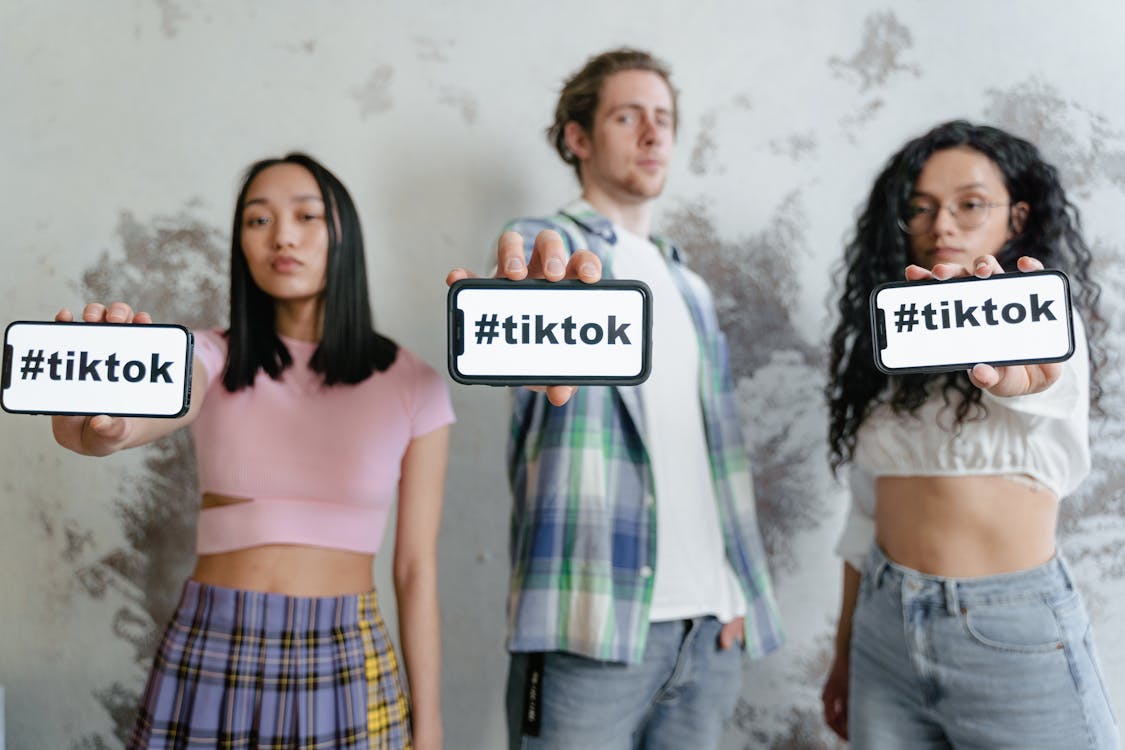
The numbers behind TikTok's chart impact are equally striking. 84% of songs that entered the Billboard Global 200 in 2024 went viral on TikTok first. And TikTok-correlated artists see 11% week-over-week streaming growth, compared to just 3% for artists without TikTok momentum. Since TikTok launched its "Add to Music App" feature, it has generated over one billion direct track saves into streaming platforms.
What makes TikTok different from other social platforms is that it rewards native content over polished promotion. Artists who post raw behind-the-scenes clips, in-the-moment reactions, or personal stories around their music consistently outperform those who post marketing-style highlight reels. The feed rewards authenticity and relatability, not production value.
Industry insight: TikTok's "Add to Music App" feature generated over one billion track saves into streaming platforms since its 2024 launch, converting in-feed discovery into direct streaming platform follows at scale. This makes a single viral TikTok post potentially more impactful for playlist saves and algorithmic visibility than weeks of conventional promotion (TikTok/Luminate, 2025).
For a detailed breakdown of which content formats drive the most discovery and saves, the TikTok marketing for musicians guide covers the full strategy for 2026, including how to build a consistent posting rhythm without burning out.
Is Music Blog Promotion Still Worth It in 2026?
Global recorded music revenue hit $29.6 billion in 2024, growing 4.8% year-over-year, with 69% of all revenue coming from streaming (IFPI Global Music Report, 2025). In a world where streaming rules, music blog placements remain one of the most credible third-party endorsements an independent artist can earn. Unlike social posts that disappear in 48 hours, a published review is indexed by search engines, builds backlinks to your artist profiles, and stays discoverable for years.
A placement on an established music blog also gives you something no streaming stat can: third-party credibility. When someone searches your name before following you or streaming your music, a press page full of blog features signals that others have vetted your work. That trust matters, especially for artists pitching to playlist curators, booking agents, or sync opportunities.
The practical challenge is volume. Established music blogs receive hundreds of submissions per week. A well-targeted pitch with professional press materials gets opened. A generic email doesn't. The three factors that separate accepted pitches from ignored ones are: a clean, streaming-quality EPK; a personalised pitch that references the blog's specific coverage style; and a clear angle that explains why this track is right for their audience right now.
For a step-by-step guide to finding the right blogs and crafting pitches that actually convert, how to get your music featured on music blogs covers the full process. If you'd rather skip the research and outreach entirely, Discovery Music Group's blog promotion service handles placement targeting, pitch writing, and follow-up directly, so your track reaches the right editorial desks without hours of manual work on your end.
Can Influencer Marketing Work for Independent Artists?
Influencer marketing works for music because it puts your track in front of an already-engaged audience that actively trusts the creator. A playlist feature, a reaction video, a fitness creator using your track in a workout clip. Each one is effectively a recommendation from someone with a built fan relationship. That trust transfers, and it converts into streams in a way that a paid ad almost never can.

The key is matching the creator to the sound. A travel creator with 50,000 engaged followers who consistently soundtracks their videos with indie folk will drive more genuine streams for an indie folk artist than a pop mega-influencer with millions of passive followers. Engagement rate and audience fit matter far more than raw reach. A 3% engagement rate from a niche creator beats a 0.1% rate from a mass-audience one every time.
Industry insight: TikTok music users spend 46% more on music per month than the average U.S. listener and are 68% more likely to subscribe to a paid streaming service (TikTok/Luminate, 2025). This means an influencer whose audience skews toward active TikTok music users isn't just driving streams. They're introducing you to the fan type most likely to convert into a long-term listener and paying customer.
Working with Discovery Music Group's influencer marketing service removes the friction of outreach, negotiation, and performance tracking. It also reduces the risk of paying for placements with inflated or inactive audiences, which is a common issue when artists approach creators directly without audience-level vetting. For a full breakdown of how to set campaign goals, identify the right creator tier, and measure results, the influencer marketing for musicians guide covers the complete strategy.
Does Email Marketing Have a Place in a Music Promotion Strategy?
Email marketing consistently outperforms social media for direct artist-to-fan communication. Musicians see average email open rates of 45.93%, compared to the all-industry median of 43.46%, based on analysis of 3.6 million campaigns (MailerLite 2025 Benchmark Report). That's a direct line to fans who've already opted in, with no algorithm deciding whether your message gets seen.
The practical advantage is ownership. Social platforms change their algorithms, reduce organic reach, and occasionally disappear entirely. Your email list is yours. It doesn't reset when a platform updates its feed ranking. For artists building long-term fan relationships, an email list is one of the most durable assets in any promotion plan, and it compounds in value the larger it grows.
What to send is where most artists get stuck. The most effective artist emails tend to follow one of four formats: an exclusive pre-release preview for list subscribers only; a behind-the-scenes story tied to a release; a show or tour announcement with early ticket access; or a personal update that reads more like a direct message than a newsletter. The tone matters. Emails that sound like a person wrote them get opened and clicked. Promotional announcements get ignored.
For a full breakdown of platform selection, content strategy, list-building tactics, and how often to send, the email marketing for musicians guide covers every element in detail.
How Do You Build a Music Promotion Strategy Around These Channels?
The artists seeing consistent growth in 2026 aren't using one channel. They're stacking them. A single release strategy might look like this: pitch to playlist curators three weeks out, seed TikTok content in the two weeks before the drop, run an influencer placement in release week, follow up with a blog pitch for post-release coverage, and send an email to your list with an exclusive listen. Each channel reinforces the others.
That said, most independent artists don't have unlimited time or budget. The practical starting point is identifying which one or two channels match both your music style and your capacity, building consistency there first, and layering in additional channels as your promotion routine solidifies.
Understanding your artist brand and positioning is the foundation that makes every channel work harder. When your visual identity, messaging, and sound tell a consistent story, every playlist pitch, TikTok post, and press feature reinforces the same image. Without that consistency, promotion scatters rather than accumulates.
For artists at the planning stage, the 10 marketing tips for musicians and DJs is a strong companion resource covering the broader marketing decisions that sit alongside promotion, from timing and release strategy to building a fanbase that actually shows up.
| Channel | Avg. Starting Cost | Time to Results | DIY Difficulty | Best For |
|---|---|---|---|---|
| Spotify Playlist Pitching | $150–$400/release | 2–4 weeks | Medium | Growing monthly listeners and algorithmic reach |
| TikTok Content | $0 (time investment) | 1–3 weeks | Low | Rapid discovery and streaming spikes |
| Music Blog Promotion | $100–$300/campaign | 3–6 weeks | High | Press credibility and long-term SEO visibility |
| Influencer Marketing | $200–$500/placement | 1–2 weeks | High (vetting) | Targeted reach to engaged, music-spending audiences |
| Email Marketing | $0–$30/month | Immediate | Low | Direct fan communication with no algorithm dependency |
Ready to get your music heard by more people? Discovery Music Group's promotion services cover playlist pitching, influencer campaigns, blog placements, and more, all designed to build real momentum for independent artists.
♩ More ways Discovery Music Group can help you grow
- Influencer Marketing: Promote your music via vetted TikTok, Instagram & YouTube creators
- Spotify Playlist Pitching: Get your track in front of curators and grow your listeners
- Blog Promotion: Get your music featured on music blogs and editorial sites
- Music Release Strategy: Plan your release for maximum streaming impact
- Website Development: Professional artist websites built to convert visitors into fans
Frequently Asked Questions
What is the most effective music promotion strategy for independent artists?
There's no single best channel, but playlist pitching and TikTok consistently produce the most measurable results for independent artists in 2026. Over 1,600 artists who earned $100,000 or more from Spotify in 2025 were first discovered through Spotify's Fresh Finds program (Spotify Loud & Clear, 2026), while TikTok-correlated artists see 11% week-over-week streaming growth versus 3% for those without TikTok activity. Combining both creates compounding momentum.
How much should independent artists spend on music promotion?
There's no one-size-fits-all number, but starting with a focused budget on one or two channels beats spreading thin across many. A realistic starting point for playlist pitching or influencer marketing is $200 to $500 per release. As results compound and you understand which channels convert for your sound, you can scale accordingly. For a full breakdown of how to allocate your budget at every level, the music marketing budget guide covers the specifics from $0 to $5,000.
How do I get my music on Spotify playlists?
For editorial playlists, submit through Spotify for Artists at least seven days before your release date with a clear pitch explaining your track's mood, genre, and story. For independent curator playlists, the process involves researching relevant curators, personalising each pitch, and following up professionally. Discovery Music Group's Spotify playlist pitching service handles curator research, pitch writing, and outreach directly.
Does TikTok actually help musicians get more streams?
Yes, consistently. TikTok-correlated artists saw 11% week-over-week streaming growth in 2024, compared to 3% for artists without TikTok presence. The platform's "Add to Music App" feature has generated over one billion track saves into streaming platforms since its 2024 launch (TikTok/Luminate, 2025). Short, authentic content posted consistently converts TikTok discovery into Spotify follows and streams in a way that paid ads rarely achieve.
Should I handle music promotion myself or use a professional service?
Doing it yourself is possible, but it takes significant time to research curators, craft pitches, vet influencers, and track results across multiple campaigns simultaneously. Most independent artists find that DIY promotion either gets deprioritised when life gets busy or produces inconsistent results without specialist knowledge. A managed service like Discovery Music Group provides professional targeting and a vetted network, so your release budget goes toward placements that actually reach the right audiences rather than trial and error.
How do I measure whether my music promotion is actually working?
The core metrics to track are: monthly listeners on Spotify (trend over 30 and 90 days), saves-to-streams ratio (a high ratio signals strong listener intent), playlist adds, TikTok-driven streaming spikes (visible in Spotify for Artists source breakdown), and email list growth rate. These together give a clearer picture of promotion effectiveness than streams alone. For a broader view of what good growth looks like, artist branding fundamentals covers how a consistent identity makes every promotion metric easier to move.
Conclusion
106,000 tracks upload every day, and 88% of them never reach 1,000 streams. Those numbers are brutal, but they're also clarifying. They confirm that promotion isn't optional for independent artists. It's the work that separates the music that gets heard from the music that doesn't.
The five channels covered here, playlist pitching, TikTok content, music blog placements, influencer marketing, and email, work best when they reinforce each other. Each release becomes an opportunity to run all five simultaneously, so every channel adds to the momentum the others generate.
Start with the one or two channels that best match your music style and current capacity. Build consistency there first. Then layer in the others as your promotion routine solidifies. The artists breaking through aren't doing something entirely different. They're just doing more of what works, more consistently, over a longer period of time.
If you want to accelerate that process, Discovery Music Group's services cover every major promotion channel, with professional targeting, vetted networks, and campaign management built around real results for independent artists.